
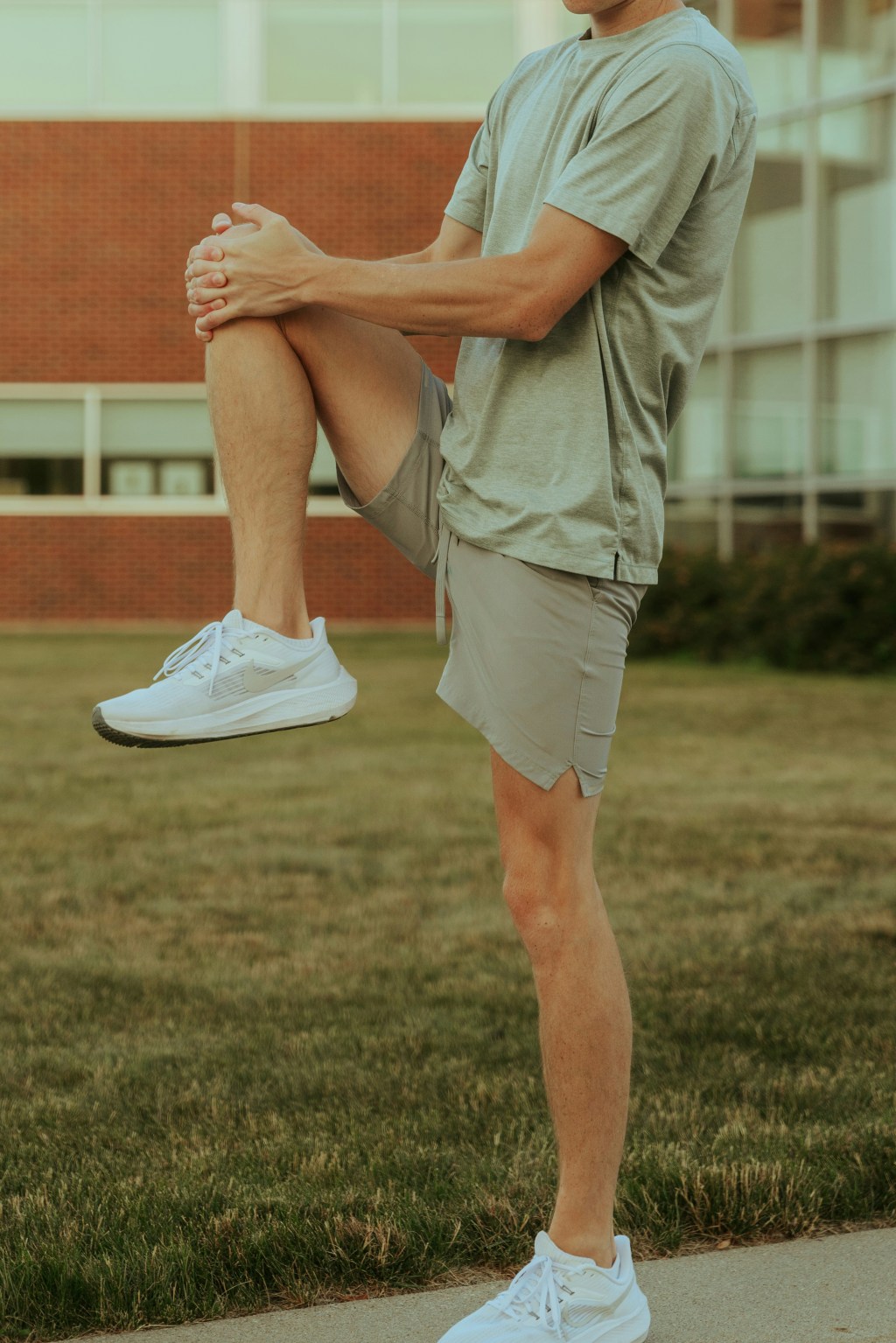
Knee Osteoarthritis: Why Staying Active Is Your Best Defence
If you’ve recently been told you have knee osteoarthritis, you might be picturing a future of long walks, hikes, and weekend sport slipping away. Here’s the good news: for most people, that couldn’t be further from the truth. In fact, one of the most effective treatments we have for knee osteoarthritis isn’t rest — it’s the right kind of movement.
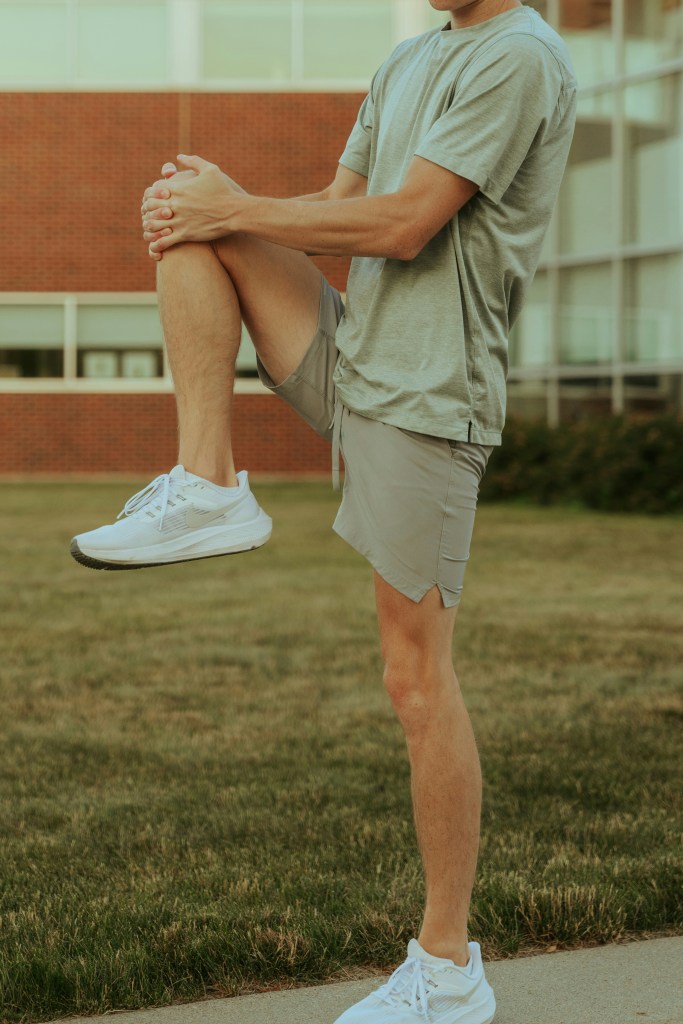
What Is Knee Osteoarthritis, Really?
Osteoarthritis (OA) is a gradual change in the joint, where the cartilage that cushions the ends of your bones thins over time. It’s often described using words like “wear and tear” or “bone on bone,” which can sound alarming — but these terms are misleading. Osteoarthritis is not simply a mechanical part wearing out like a car tyre. It’s a whole-joint process involving the cartilage, bone, and surrounding tissues, and the amount of change seen on an X-ray or MRI often doesn’t match up with how much pain a person actually feels. Plenty of people with significant changes on imaging have little to no pain, while others with mild changes struggle more. This matters because it means a scan is not a life sentence, and pain doesn’t always equal damage.
Common Symptoms
- Stiffness, especially first thing in the morning or after sitting for a while
- Aching or soreness that increases with activity, then eases with gentle movement
- A grinding or crunching sensation (crepitus) — usually not something to worry about on its own
- Mild swelling around the joint
- Symptoms that fluctuate day to day, sometimes flaring after a busier week
Why Movement Helps More Than Rest
It’s a natural instinct to protect a sore joint by resting it, but with knee osteoarthritis, prolonged rest tends to make things worse, not better. Cartilage relies on movement to stay nourished, muscles around the knee weaken quickly with inactivity, and joints that aren’t used regularly often become stiffer and more painful — not less.
Research consistently shows that exercise therapy is one of the most effective ways to manage knee OA, often working as well as (or better than) medication for reducing pain and improving function, without the side effects.
Prevention and Management Strategies
1. Strength training, particularly for the quads and glutes Strong muscles around the knee act like shock absorbers, taking pressure off the joint itself. Squats, step-ups, and leg press variations — built up gradually and tailored to your current capacity — are excellent starting points.
2. Low-impact cardio to stay fit without overloading the joint Swimming, cycling, and using an elliptical allow you to keep your heart and lungs fit while minimising jarring load through the knee. This doesn’t mean impact activities are off-limits forever — it’s about finding the right dose for your knee right now.
3. Maintaining a healthy body weight Every kilogram of body weight translates to several kilograms of extra force through the knee with each step. Even modest weight changes can meaningfully reduce symptoms for those who are carrying excess load.
4. Managing flare-ups without stopping altogether A flare doesn’t mean you’ve done damage — it usually means your knee needs a temporary reduction in load, not a complete halt. Modifying an activity (shorter walk, lower resistance, fewer reps) is usually more effective than stopping entirely.
5. Footwear and load management Supportive, well-fitted shoes and gradually building up new activities (rather than sudden jumps in distance or intensity) can help reduce unnecessary strain.
6. A tailored exercise program Generic advice only goes so far — the right exercise plan depends on your knee, your goals, and what you want to get back to, whether that’s chasing grandkids around the yard, getting back on the trails, or returning to your regular sport.
When to See a Physio
If knee pain is limiting what you want to do, or you’re not sure whether it’s safe to keep exercising, a physiotherapist can assess your knee, help you understand what’s actually going on, and build a plan that lets you stay active with confidence — rather than avoiding movement out of fear.
At Physio Lane Studios in Lawson, we work with people across every stage of life and activity level to help you keep doing what you love, safely and sustainably. If knee osteoarthritis is holding you back, book an appointment and let’s build a plan that works for your knee and your goals.
This article is general information and isn’t a substitute for individual assessment. If you have concerns about your knee, book in for a proper assessment.
 Physio Lane Studios
Leave a Reply