
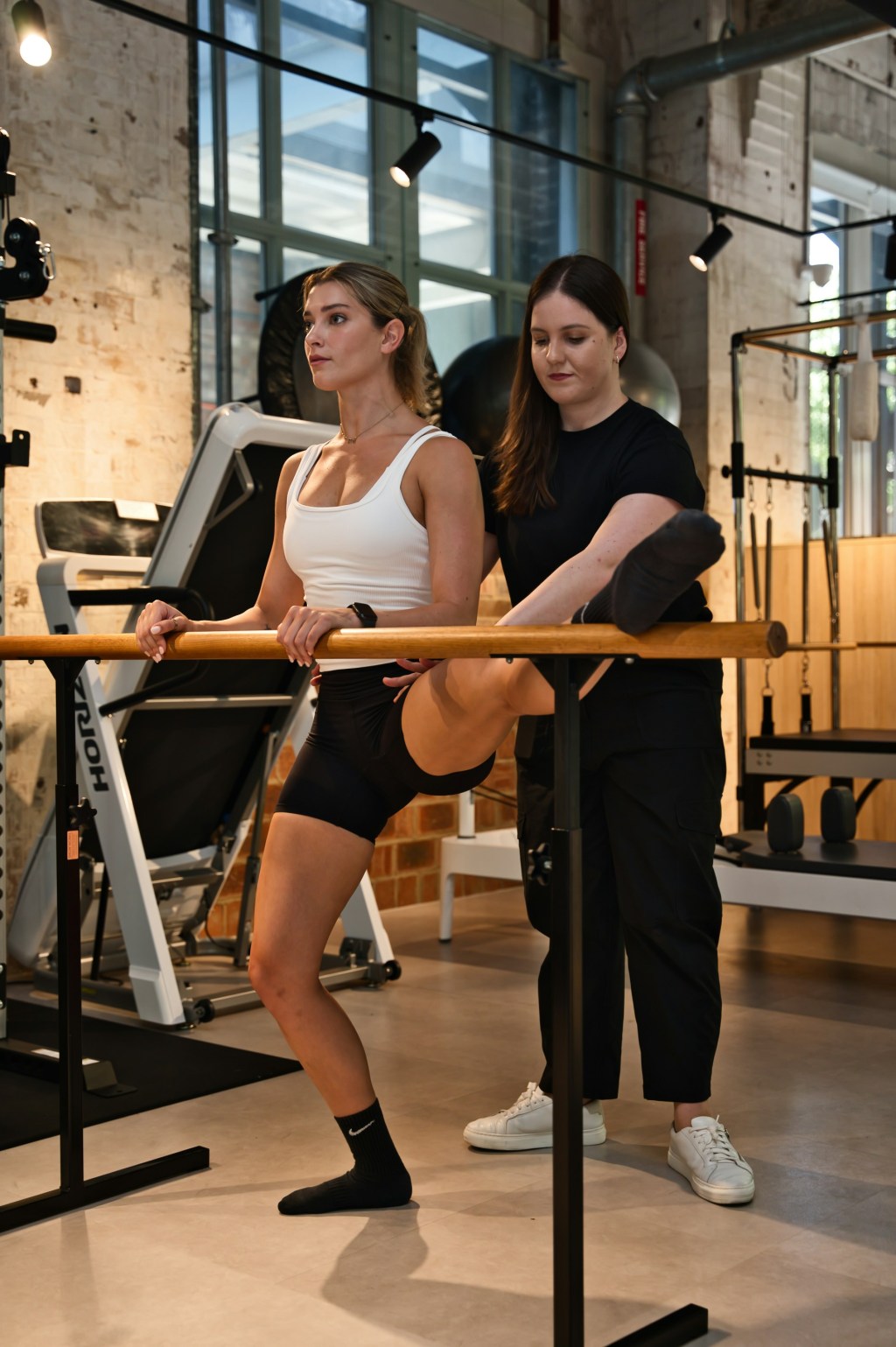
Whether you’re training at a local dance school in the Blue Mountains, rehearsing for a recital, or simply love your weekly jazz or ballet class, dance places unique and repetitive demands on the body. The combination of extreme ranges of motion, high-impact landings, and the sheer volume of repetitive training makes dancers — much like elite athletes — particularly susceptible to specific injury patterns.
At Physio Lane Studios in Lawson, we work with dancers of all levels from across the Blue Mountains, from young students to adult recreational dancers, helping them stay on their feet and moving well. Here’s a look at some of the most common dance injuries we see, and how evidence-based physiotherapy can support prevention and recovery.
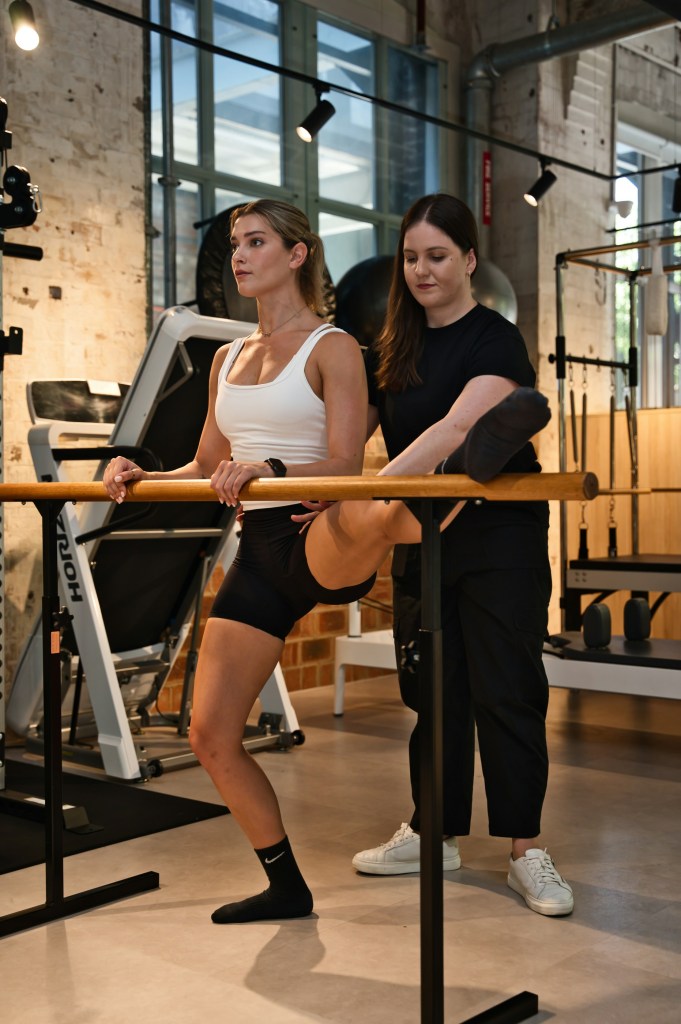
Why Dancers Are Prone to Injury
Unlike many field or court sports, dance combines strength, flexibility, endurance, and aesthetic technique all at once. Research into ballet and other dance styles has consistently shown that overload-related injuries — those caused by cumulative stress rather than a single traumatic event — are far more common than acute injuries, and tend to affect the lower limbs and lower back most frequently. Studies have also linked higher training frequency (four or more sessions per week) with an increased injury risk, highlighting how important load management and recovery are for anyone training seriously.
Common Dance Injuries We See
Ankle sprains Often the result of landing on a turned-in or unstable foot during jumps or quick directional changes, ankle sprains are one of the most frequent dance injuries, particularly in ballet, contemporary, and jazz styles.
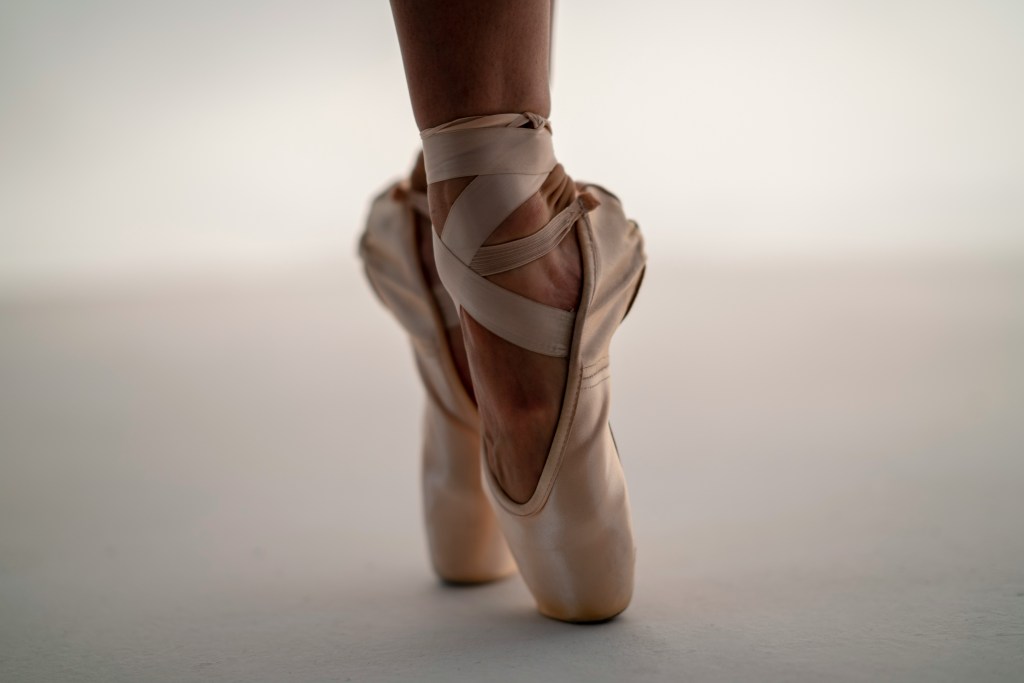
Achilles and other tendinopathies Repetitive jumping, relevé work, and pointe technique place significant load through the Achilles tendon and other lower-limb tendons, which can lead to gradual, overuse-related pain if not managed early.
Patellofemoral (kneecap) pain Poor control through the hip and knee during turnout, pliés, or landings can contribute to kneecap tracking issues and anterior knee pain — a common complaint among dancers of all ages.
Stress fractures Particularly in the foot and lower leg, stress fractures develop from repeated impact without adequate recovery time, and are more common in dancers training at high volume.
Hip and lower back pain The demand for extreme hip range of motion (turnout) combined with core and lumbopelvic control challenges means the hips and lower back are frequently affected, especially in ballet and lyrical dancers.
Muscle strains Explosive movements such as high kicks, jumps, or splits performed without an adequate warm-up can lead to strains, particularly through the hamstrings and hip flexors.
How Physiotherapy Can Help
The research on physiotherapy management for dance-related injuries is encouraging: physiotherapy interventions have been shown to have a positive effect on pain, range of motion, and functional outcomes in injured dancers, even though researchers continue to call for higher-quality studies in this space. In practical terms, evidence-informed physiotherapy management for dancers typically includes:
- Accurate assessment and diagnosis — identifying not just the injured structure, but the underlying movement pattern, technique, or training load issue that contributed to it
- Manual therapy and load management — hands-on treatment combined with a graded return to training that respects tissue healing timeframes
- Targeted strength and control exercises — particularly around the hip, ankle, and core, which are frequently implicated in dance injury risk
- Movement and technique screening — helping dancers and teachers identify modifiable risk factors before an injury develops
- Education — for both dancers and coaches, on training loads, recovery, and early warning signs, since these have been identified as key factors in injury prevention
Early intervention matters. Niggles that are dismissed or “danced through” can become chronic issues that take far longer to resolve, so addressing pain or altered movement early is one of the simplest ways to protect a dancer’s long-term training and performance goals.
Supporting Dancers Across the Blue Mountains
From Lawson to Katoomba, Springwood to Blackheath, we know the Blue Mountains has a strong and passionate dance community — from young students taking their first ballet classes to adult dancers training recreationally or competitively. At Physio Lane Studios, we create personalised treatment and rehabilitation plans that consider not just the injury itself, but the specific technical and training demands of each dancer’s style, so they can return to what they love safely and confidently.
If you’re a dancer in the Blue Mountains dealing with a niggle, a nagging pain, or you’re recovering from injury, we’d love to help you get back to moving well.
This article is intended for general educational purposes only and does not constitute individual medical advice. Every injury and every dancer is different — if you’re experiencing pain or think you may be injured, please consult a qualified physiotherapist or health professional for an assessment tailored to you.
Physio Lane Studios 23 Cascade Street, Lawson, NSW 2778 Book an appointment
 Physio Lane Studios